Wool flannel · Fred Textile
Wool Flannel Fabric for Garment Development
Choose wool flannel for trousers, tailoring and outerwear. Work through fabric weight, yarn route, sampling and sourcing questions before requesting a quotation.
Begin with the garment silhouette. Before approving a cloth, work through surface, drape, skin contact, construction and the care planned for the finished garment.
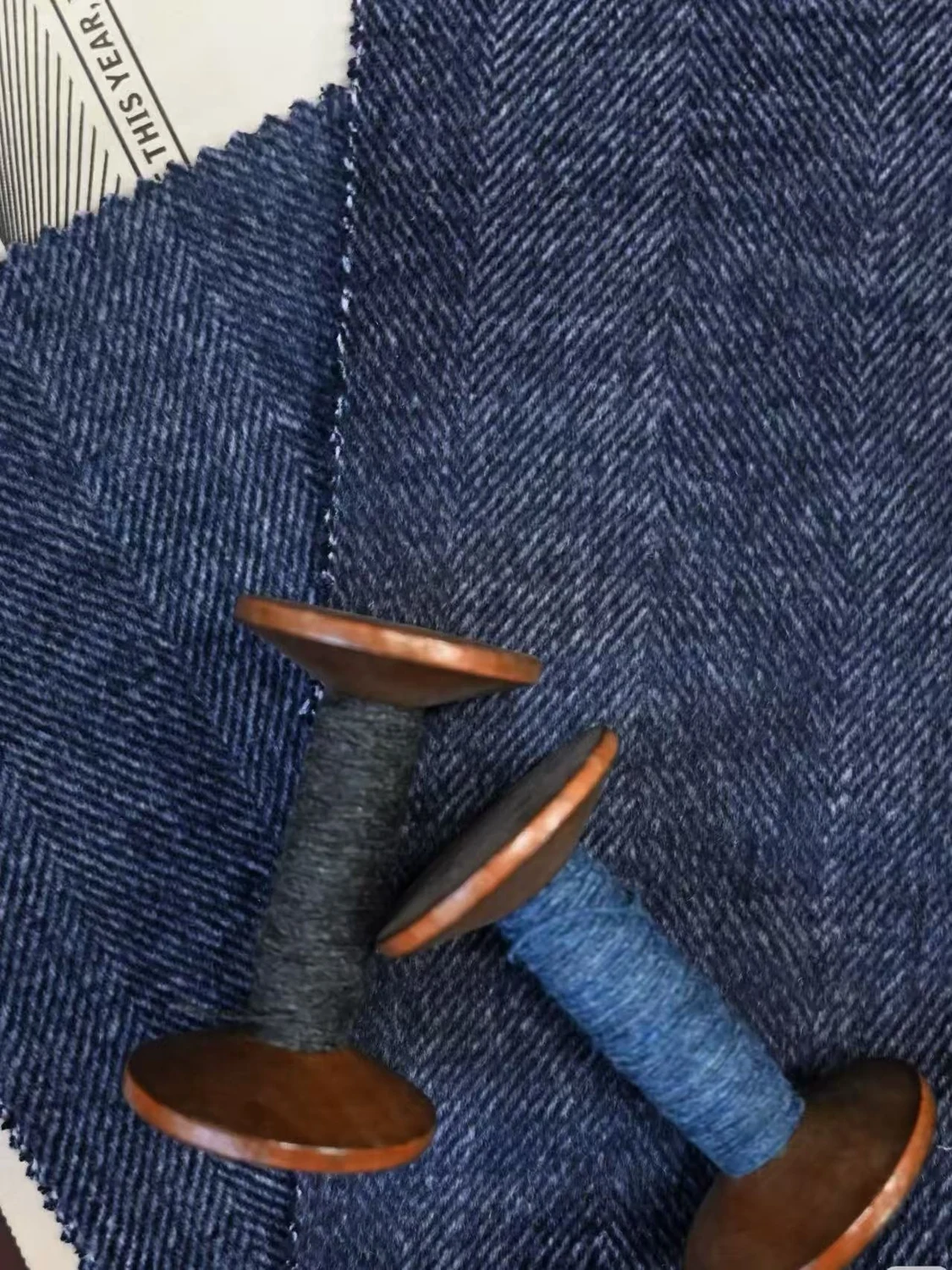
Where should a wool flannel buying project start?
Start with the garment and the problem it must solve: trouser shape after sitting, a jacket that hangs cleanly, or a coat whose seams remain manageable. State the intended silhouette, lining and care route before comparing cloth. Then request an identified sample, its specification source and a quotation on a clear unit basis. Use the garment guides to prepare your questions and Fred Textile’s official website to discuss the actual development request.
What are you making?
Wool Flannel for Trousers: Weight, Fit and Wear Trials
Develop wool flannel trousers by reviewing weight, lining, seam thickness, knee shape and sitting comfort on an identified garment sample.
Read the guide02Choose Wool Flannel Suit Fabric for the Whole Outfit
Troubleshoot wool flannel suit movement at the waist, seat, armhole and jacket front using a repeatable fitting and pressing comparison.
Read the guide03Develop a Wool Flannel Blazer Around the Intended Shape
Choose wool flannel blazer fabric by testing the front, lapel, support layers and lining. Diagnose collapse, stiffness or bubbling before approving the garment assembly.
Read the guide04Develop a Wool Flannel Overcoat Around Its Layers and Shape
Assess wool flannel overcoat pocket use, closure balance and lining pull with the intended underlayers before changing the shell fabric or weight.
Read the guideSeparate the yarn route from the final surface
Woollen-spun and worsted-spun describe yarn-production routes. Milling, raising and other finishing choices influence the cloth you eventually handle. A name alone cannot tell you how a specific fabric will behave in your garment.
If your specification requires worsted-spun flannel, include that requirement in the enquiry and ask Fred to confirm feasibility. If you are unsure, describe the appearance and garment behaviour you want and provide a physical reference where possible.
A clearer route to sampling
-
Define the garment
Choose the silhouette, contact areas and two priorities for your trial.
-
Compare the cloth
Review surface, hanging folds and the specification of an identified reference.
-
Record the trial
Keep sewing, pressing, wearing and care observations with the same sample version.
Describe the finish you want
For a restrained surface, show the level of visible weave and texture you want to retain. For a fuller, more covered appearance, identify an approved cloth reference. For a blend, list both the composition requirement and the result you expect from it.
Use plain observations: “less surface hair”, “a softer-looking face”, “a firmer trouser line” or “less bulk at the pocket”. These give the sampling conversation a clearer starting point than “premium quality”.
Look at cloth in the shape of a garment
A small flat swatch shows colour and surface. Ask for enough cloth to inspect hanging folds and the parts of the garment that matter to your design. For trousers, review a leg panel and a sewn sample. For a jacket, include the planned supporting materials.
Record what you want to change: a straighter line, more movement, a fuller silhouette or a cleaner edge. Keep fabric weight as one specification alongside construction, finish and the garment trial.
Where will the wearer feel the fabric?
Map the contact points before selecting a reference: thighs and knees, neckline, wrists, waist or an unlined back. Tell Fred which areas will touch skin and where a lining will be used.
Review the actual sample with the intended garment construction. Do not choose a skin-contact claim from a photograph or from the word “wool” alone. Add the wearer, climate, layering and care expectations to your brief.
A useful sample review has a record
Compare the sample with the brief you sent. Note the reference code, date and version, then record what you observed before and after the agreed trial. Use photos of the same garment areas under consistent lighting.
Our checklist covers surface appearance, drape, skin contact, construction, pressing and care review. Mark each item as not checked, acceptable for the trial, or requiring discussion. Your observations help the next sampling round move forward.
Ask for the information attached to the reference
Request the confirmed composition, fabric weight and usable width for the exact reference under discussion. Add your requirements for colour, quantity, testing, destination and timing.
Where a claim matters to your project—such as recycled content or a particular certification—ask which document and product scope support it. Put unresolved points into the development brief so the team can answer them alongside the sample proposal.
Develop your enquiry with Fred Textile
Fred Textile presents flannel within its woolen and blended woven fabric directions. WoolFlannel.com helps you turn a garment idea into a focused fabric discussion; Fred handles the reference review, sample conversation, feasibility, quotation and order arrangements.
Explore the company’s collections and production information, or speak with Mr Kcal about your project. Each proposed reference and commercial term will be confirmed for the enquiry concerned.
Solve the next development question
Woollen or worsted? Understand what to ask before comparing references.
Selecting flannel for trousers? Build a trial around the parts that take wear and movement.
Reading fabric weight? Keep units clear and relate the number to the garment sample.
Planning care? Agree the intended process before approving the material and garment label.
Assessing pilling or surface change? Record the method and the actual result instead of relying on a general promise.
Questions before sampling
Do I need to know the yarn route before contacting Fred?
No. Describe the garment, desired surface and construction, and send a reference if you have one. If woollen-spun or worsted-spun is a fixed requirement, state it clearly for feasibility review.
Can I choose flannel using GSM alone?
Use GSM as one requirement, not a substitute for reviewing the cloth. Compare the finish, construction and garment sample as well, and make sure the weight units are the same.
Can I request a sample before finalising every detail?
Start with the garment, intended quantity and the questions you want the sample to answer. Fred can discuss a suitable next step and confirm sample availability, cost and timing.
Does this website sell cloth by the metre online?
This website helps you prepare an apparel development enquiry. Ask Fred about the quantity and supply arrangement for your project.
Bring the garment brief to Fred
Tell us what you are making, the fabric direction you have in mind and what you need to establish through sampling. You can begin without a complete technical pack.
Continue with a practical guide
How to Choose Wool Flannel GSM for Your Garment
Compare wool flannel GSM, measured thickness and garment construction. Build a sample to assess bulk, movement and support before setting a fabric weight specification.
Read the guide02Test Wool Flannel Drape Against the Intended Garment Shape
Diagnose a collapsing front, stiff fold or unwanted cling. Compare wool flannel panels and actual garment assemblies before approving drape and support.
Read the guide03Press Wool Flannel Without Shine: A Tailoring Trial
Investigate shine, seam impressions and flattened flannel during pressing. Trial a press cloth, support and process conditions before approving garment production.
Read the guide04Wool Flannel Care Labels: Validate the Complete Garment
Plan wool flannel care labels from the final shell, lining, interlining and trims. Keep washing, drying, ironing and professional care evidence separate.
Read the guide